About Me

My photo
Belfast, Northern Ireland, Manila, Philippines, United Kingdom
Very simple person with a simple plan in life. A registered Philippine civil engineer, an urban/environmental planner, a lecturer/tutor; plays badminton, loves to swim, sing and dance; has the passion in drawing, writing reviews/poems and reading, and a photo enthusiast.
Showing posts with label blog action day. Show all posts

Friday, 15 October 2010

Blog Action Day 2010: Water - Fuel of the future

FOR THE FOURTH TIME, I AM joining again the Blog Action Day. For this year, the theme is water which is very influential in my professional life. Briefly, because of this element, water paved the way to be successful in my career in environment specifically in water/wastewater treatment and waste management. Aside from my work in environmental consulting, I also do a teaching job which handles courses/modules related to water (i.e. collection, supply, distribution, treatment, etc.).

No need to emphasize the significance and importance of water but I just want to share some important facts and figures about the role being played by water in our society today. Gathered by the organizer of Blog Action Day, there are alarming situations and statistics that need to be addressed and require immediate solution towards a sustainable supply of water.

In terms of scarcity of clean water, almost 1 billion people have lack access to clean water, consequently causes a litany of struggles, diseases and death. For African women, it requires them to walk over 40 billion hours each year to carry cisterns weighing up to 18 kg to collect water. Every week, nearly 38,000 children under the age of 5 die resulted from unclean, unsafe drinking water and unhygienic living environment.

In terms of water consumption in industrialized and developed countries, it takes 24 liters of water to make one hamburger, thus it means that over 19.9 billion liters of water will be consumed to make one hamburger for every person in Europe. It requires half a liter of water to charge iPhones and this means that 40 millions of liters of water to charge over 80 million active iPhones in the world. In terms of fashion, it requires 1,514 liters of water to produce a cotton t-shirt and another 6,813 liters for jeans.

For bottled water consumption, the US, Mexico and China consumed the highest number of bottled water - drinking an average of 200 bottles of water per person each year. To produce these water bottles, it requires over 17 million barrels of oil and 86 percent of these bottles can not be recycled.

In relation to water and the environment, the statistics are quite alarming! It is estimated that 2 million tons of human waste are disposed or dumped in water sources every day which caused negative impacts to the environment, the surrounding communities in particular. It costs $12.8 billion per year caused from death and disease from polluted coastal waters. It is also estimated that 40% of US rivers and 46% of US lakes are not suitable for fishing, swimming, or aquatic life.

DESPITE OF THESE CURRENT PROBLEMS, THERE ARE existing organizations and agencies that are working together to provide solutions and immediate remedies in combating water shortage and water pollution. These organizations' initiatives also provide tools and strategies to empower affected people to contribute to solve the water crisis. For example, there are organizations that build wells to bring fresh water to the communities in the developing countries. Even at home, we can do our share by saving water in terms of washing our clothes, dishes, watering our plants or cleaning our cars. We can also maintain the cleanliness of our water bodies (beaches, rivers, streams, creeks) by proper disposal of our household wastes. Finally, through our blogging activities we can even increase the awareness of our readers in protecting, conserving and sustaining our water resource.

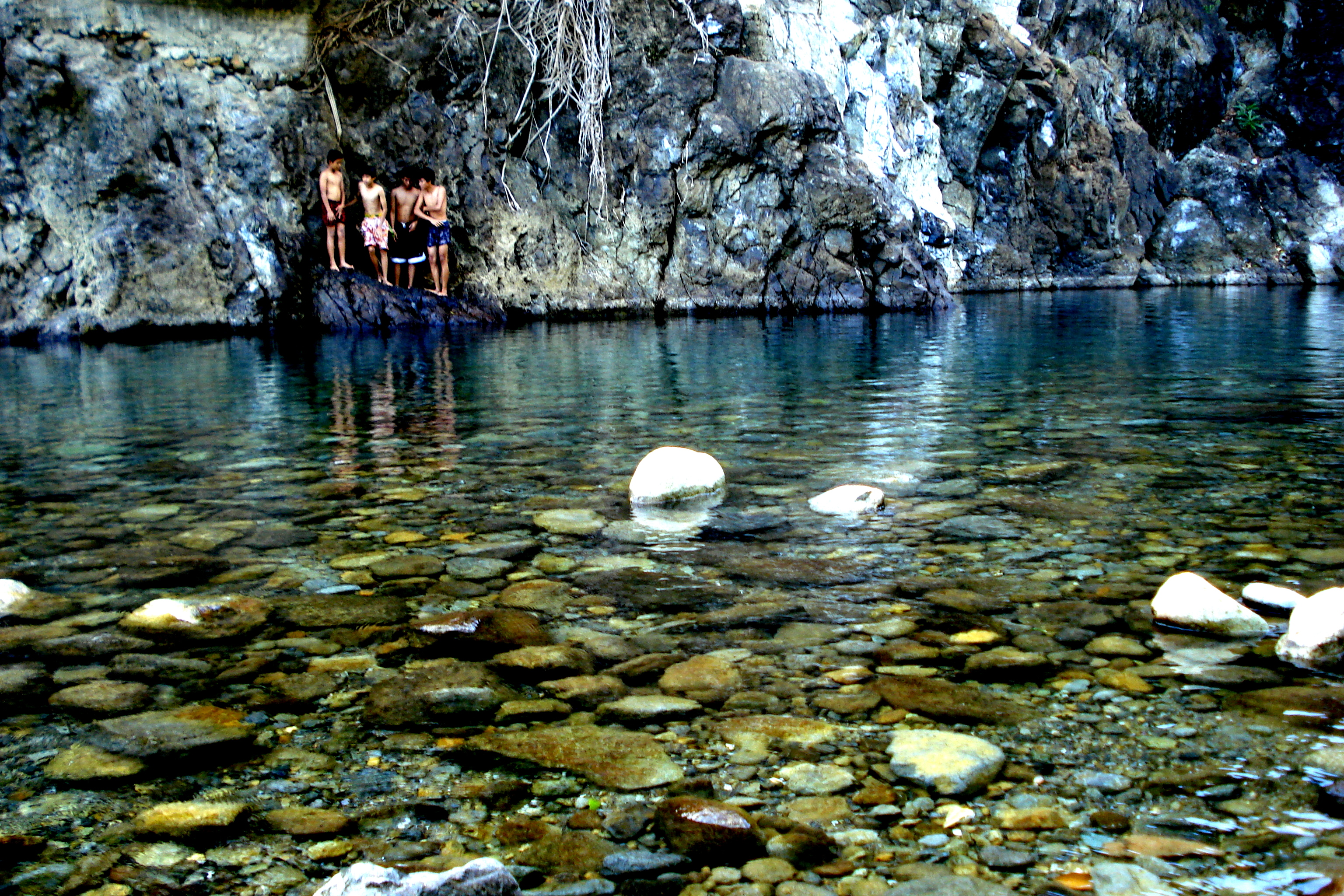
THIS YEAR, I ALSO WANT TO SHARE MY INTEREST IN PHOTOGRAPHY and emphasize the beauty of our environment, where WATER is dominant and provide the perfect landscape of our natural environment. With my traveling experience, I do appreciate the essence of water in our daily lives and to other living organisms - from plants to animals, from whales to planktons! These images posted in this journal somehow illustrate the WATER plays an important role for our Mother Earth to survive. Without water, no living organisms will survive, thus it is our responsibility to protect it from further degradation and abuse. Our generation has the power to protect, conserve and sustain WATER resource!

By the way, Im also a supporter of Social Vibe through the partnership of Wordpress.Com which I currently support a charity that promote access to clean water. To date I've earned 1643 gallons of clean water! You can try to contribute by clicking the widget of Social Vibe located at the right hand sidebar of my mother website, My world is getting smaller every day.

If you are interested to find more of my previous posts concerning Blog Action Day events, please click the following links: BLOG ACTION DAY 2009, BLOG ACTION DAY 2008, and BLOG ACTION DAY 2007.

Thursday, 15 October 2009

Higher Learning and Climate Change

WHEN I STARTED MY RESEARCH 4 years ago, one of the motivations why I decided to pursue higher education is to contribute to the knowledge-base on environmental management, specifically on how we could utilise land resource effeciently and effectively. In particular, I want to identify strategies on how to redevelop or regenerate underutilised/unproductive land (greyfields), the brownfields - properties that have been utilised for a single use (industrial, parking, etc) or simply to revitalise downtown areas or urban centres with derelict land and buildings to increase choice, convenience, and vitality resulting in social, economic and environmental benefits. This can be promoted by intensification of land uses through "mixed-use form".

MIXED-USE DEVELOPMENT is considered as one of the mechanisms to regenerate these properties into liveable, attractive and sustainable communities. Mixed-use scheme is an integral ingredient of urban redevelopment to promote compactness, social equity, economic vitality and ennvironmental quality. Unfortunately, environmental quality is not directly discussed in my research, however, there are attributes or indicators in mixed-use scheme that are identified that influenced in the performance and optimisation of the mix" of use within the project. These attributes are included in the physical characteristics of the projects such as: functional and physical lay-out, type and quality of contruction materials, provision for parking, air conditioning system, cooling and ventilation, and energy effeciency rating. In addition, there are indicators that describe the environmental setting and condition of the sites (where these mixed-use schemes are located) which also indicate sustainability.

Im very honest in my previous journals that Im not an "avid fan" of Climate Change or Global Warming issues, however I do believe that we have our own little way to protect our Mother Earth. There are other issues that need much greater attention from both the communities and the government that influence the drastic change of our climate.

To this end, continuing higher education is one of the aspects that support environmental protection, preservation and management through the conduct of research in built environment (real estate, property investment, infrastructures, housing, etc.). Providing more funds and resources to pursue higher learning is one way of enriching the knowledge base and sharing information to the public as a whole.

Note: Some examples of mixed-use projects will be posted here very soon!

Wednesday, 15 October 2008

Blog Action Day: Poverty and the Internet

JOINING BLOGSPOT/BLOGGER'S annual blog action day is a privilege where I could share my time in a small, simple and different way thru my website. The theme is a pressing issue and much more requires attention than war or anything else. It is beyond war between guns and missiles, or armies and extremists but it is a war against hunger and deprivation from basic needs in life.

Awareness and access to information is instrumental in reducing or alleviating POVERTY around the world. Worldwide web (www) or the internet is a powerful tool to disseminate information and assistance for society that needs urgent attention. Access to right organisations and individuals are vital to properly address the problem and somehow facilitate immediate action with avaiable resources. Thus, combating and alleviating poverty is a big challenge particularly for a developing nation to ensuring every citizen has direct and sustainable access to basic services, especially food, shelter and education.

Utilising google and yahoo search engines, there are numerous interesting links that discuss POVERTY. From various press releases to private and public initiatives/programmes, from images to videos, and of course from blogs to blogs! There is so much information on-line that provides the spectrum of POVERTY. As my simple gesture of my contribution on blog action day is to highlights some of them and briefly reflects each of these links.

Defining Poverty. Wikipedia defines poverty as "deprivation of common necessities that determine the quality of life, including food, clothing, shelter and safe drinking water, and may also include the deprivation of opportunities to learn, to obtain better employment to escape poverty, and/or to enjoy the respect of fellow citizens". It is interesting to note that access to "clean and potable" drinking water and "better" jobs are other aspects to be addressed in poverty alleviation.

Causes of Poverty. The site has relevant posts and links that explains the main causes of poverty, including shocking facts and figures to show the extent of this global problem. Poverty is being tagged with politics, corruption, degradation of the environment, ethics, and land ownerships.

Spectrum of Poverty. Poverty is a worldwide threat which this site explains the range or gamut of it: hunger and diseases (AIDS, TB, diarrhea, and measles). According to UN, almost 25,000 people die every day of hunger or hunger-related causes which brings to a ratio of 1 person = every three and a half seconds, and mostly children die.

Speaking of children, there were three tragic events happened last year in my home country, the Philippines when two young boys and a girl (in different locations) decided to end up their lives due to poverty. It was really sad to hear their stories which inspired one of my Multiply contacts/friends to write his own reflection. It is worth reading it and I do believe that Roland sincerely voiced his concern about the role of the youths of today and how poverty affects their hopes and dreams becomes a reality.

Roland's, ROPE OR HOPE reminds us of the challenges that poverty brings to the next generation, and as he finally says, "Imagine if the youth of today are living with all their hopes...if they are reached out and are all groomed to be the next generation of leaders ... if such imagination comes to reality... I couldn’t even imagine how perfect the future of our nation would be!

So many images flooded in the internet which vividly show the extent of the damage that poverty brings to the people and community, and will continue to affect more lives in the years to come if this is not given utmost attention especially by our current world leaders. Some of these revealing faces of poverty posted in Flickr on Global Poverty (Note: The images below were taken from CARF's photostream)


Finally, I do love videos and thru Youtube, I was able to browse some of the interesting clips that convey that Poverty is in Motion!


(Note: This is the link for last year's Blogger's Action Day)

Monday, 15 October 2007

Waste:How we perceive it today - A way of celebrating the Blog Action Day

Waste Management (for both domestic and industrial wastes) is a primary issue of our time due to its significant contribution to global warming and to some extent to extreme flooding in towns and cities. Due to improper collection, treatment and disposal of this waste, it brought a lot of environmental and health implications which affected the lives of thousands of people and cost billions of money in legal remediation around the world. But over the years, there is a dramatic change in waste management - from the 'end-of-pipe approach' to a comprehensive system, the 'cradle-to-grave approach'.

THREE YEARS AGO, I did a research on how to identify potential sites as location for the final resting place of our wastes which we commonly known as 'landfill' or land surface disposal area. Upon completion of my research, I found out that there are three major groups of people that influence in the development of a disposal site or landfill. These groups have 'power' in providing directions towards successful management of our wastes, consequently in addressing global warming.

For the suceeding paragraphs I will try to illustrate these existing attitudes or norms among these groups, namely: the public (you and I), the industries/businesses (companies that provide our basic needs), and the elected political leaders (the politicians who decide how much we pay for our taxes) and find out their 'true colours' in managing our wastes.

THE PUBLIC ATTITUDE: NOT IN MY BACKYARD' or NIMBY syndrome
What is really our true attitude in dealing with our wastes? Majority of us blame our government for not addressing the issue and finding a cost-effective solution. In other words, we always defend ourselves by saying that we pay our taxes and it is the responsibility of the government to deliver the services in protecting our health and the environment we live in. But most of us are blind or unaware that 'we' are the main contributory factor to the problem, by not only segregating our wastes or do 'recycling' but not allowing the government to set a facility near our community. This is a perennial attitude among us as waste generators, due to the fact that having such facility (landfill) besides our homes may cause environmental, safety and environmental risks.

What is this attitude called? It is commonly known as 'NOT IN MY BACKYARD' or NIMBY syndrome. Several documented reports worldwide that the residents are difficult to please and are the one opposing the project for having a treatment and disposal facility in the area. It is important that we, as one of the major producers of wastes will be aware and will actively involve ourselves in the managing the wastes in our localities (councils) to minimise this NIMBY attitude. To get away from this social disease, we should cooperate by 'trusting' our legislators, experts and local governments to plan and implement effective waste management projects, and also be 'pro-active' on those projects through 'volunteerism' and set as an example in the community.

THE INDUSTRY/BUSINESS ATTITUDE: -HIDE-IT-FREELY-FOR-YEARS or 'WHIFFY'
This segment of the society has always been tagged as the 'polluters' or the culprits of our waste problems. Based from previous studies, land contamination and other environmental damages are due to the poor management of the industries, particularly the illegal dumping of hazardous, toxic and harmful untreated wastes in environmentally-sensitive areas.

This attitude among the business/industry sector is 'WE-HIDE-IT-FREELY-FOR-YEARS or 'WHIFFY' Attitude. If you check the term, whiffy in the dictionary, it means 'unpleasant or foul' smell which is appropriate to describe the outcome of this attitude among the industries concern. To some extent, these illegal dumping leads to the massive increase of contaminated sites which always becomes a media headline. Allowing this attitude to prevail, industries are able to evade from environmental costs - handling, storage, treatment, disposal/discharge or even generation charges.

This attitude of the generators is almost tolerated and being taken for granted by the populace because it requires a thorough site investigation and the necessary funds from both the government and the industry concerned to establish any claims, and that the occupying industry is fully responsible for any consequences which clean-up and rehabilitation necessitates. In some extent, this whiffy attitude is being tolerated by the residents and the government due to the lengthy legal process or litigation to prove the misconduct of a particular firm. However, it is fully encouraged for people to be vigilant and be brave enough to report such illegal practices.

THE POLITICAL LEADERS/POLITICAN: 'NOT IN MY TERM OF OFFICE' or NIMTOO
I think everyone is aware that our government plays a central important role in the protection of the environment and our health and safety. This is the reason why we have numerous legislations, policies and guidelines to safeguard our health and the environment which is a challenging to do from the government. That is also the reason why, we and the industries have to support our political leaders through fair and democratic way in passing various environmental policies.

Proper waste disposal necessitates infrastructure (like landfill) and other support facilities (incinerators). Having this infrastructure requires endorsement from the community which needs political will. In some extreme scenario, our political leaders are facing a hard time to get an affirmative response from the community due to various reasons, including the opposition reaction from the local and international voluntary environmental groups. There is a dilemma among politicians to be identified with a controversial waste management project that could effect their long term political career or candidacy for higher positions in the next electoral.

Facing this pressure, politicians tend to adopt the so called 'NOT IN MY TERM OF OFFICE' or NIMTOO attitude not to jeopardize their political image. In other words, NIMTOO attitude is a manifestation among politicians of their high regard of not compromising their political careers. It is suicidal for any political leader to engage in a strong endorsement of environmentally-sensitive projects. Endorsement and approval of any project within the tenure of their office is critical, to some extent, it is as used as a political battle ground among opposing political groups to gain popularity from the public.

From the public's point of view, endorsement of a project from any political leader indicates a "hidden agenda", wherein politicians are represented or motivated by groups of individuals and big businesses' vested interests. Because of this it is very hard for other politicians with good political platforms to convince their constituents to take risks of having the project near their backyards.


IN SUMMARY, THE SUCCESS in combating waste disposal problem is through proper participatory approach - allowing the community (people), industries, and the government to come together, making the decision making process effective and brings positive results in solving the problem.

Recognising the involvement of the community and interested groups is an effective way to increase public awareness and acceptance for any land disposal project. Consequently, public and private/business participation serves a conduit in establishing 'trust and assurance for such environmentally-sensitive undertaking such as a 'landfill' or surface disposal site.

Minimising or eliminating these three attitudes: NIMBY (not in my backyard), NIMTOO (not in my term of office) and WHIFFY (we hide it freely for years) will dramatically improve the way we manage our wastes which brings positive impact to the society. Proper disposal of wastes needs utmost attention rather than focusing to a bigger picture - the global warming.

Tuesday, 9 October 2007

I support the Blog Action Day!

Bloggers Unite - Blog Action Day


TODAY I expressed my support to the organiser of the Blog Action Day. I signed up and I will do my best to post something about the environment starting today (and on a regular basis).

Being an environmental/urban planner by profession, I do believe everyone has its own little way to help increase the level of awareness of the people around the world in the importance of protecting, conserving and preserving our natural resources for the next future generations.

Mother Earth is crying out for our continuous effort to save her from any environmental destruction. The air we breathe, the water we drink and the land we live are vital for everyone's sustainable existence!

An initiative for bringing us bloggers together for one noble cause - Save our Mother Earth!

Watch out for my journal on the 15th October as the Blog Action Day which will focus on one of my MPhil thesis' chapters on attitudes of stakeholders towards waste disposal siting.

The Blog Action Day is reminding me of my ultimate aim why I created this blog, The DigitalEnvironmentalist in January 2007, which is to share my knowledge and ideas about my profession.

Enjoy green blogging!